
















Why Being a Fat Cat is Not as Good as it Sounds
Why Being a Fat Cat is Not as Good as it Sounds
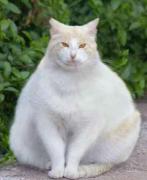
The allure of being a fat cat with a private jet, international residences and a Swiss bank account is undeniable; having a fat cat of the feline species as your pet is undeniably a recipe for a health care disaster.
Obesity runs rampant in American pets. Estimates by the Association for Pet Obesity Prevention indicate over 50% of dogs and cats in the United States are overweight or obese. That percentage translates to 89.5 million overweight or obese pets and over half of them are cats.
But, I Hear You Say…
But, she is soooo cute when she dances around for a cat treat. But, he wakes me up at 5 am if I don’t fill the bowl extra full. But, she loves her food. How can I deny her that pleasure? But, he eats the food of my other cat that eats slowly.
Feline Research Shows
In a recently published study from the Journal of Feline Medicine and Surgery, researchers at the University of the Grand Canary Islands tested respiratory function in normal and obese cats. These researchers used a cat-sized Plexiglas chamber to measure barometric whole-body plethysmography. Roughly translated, the researchers measured respiratory rate, amount of air in each breath, and how fast air was inspired or expired. Fat cats and ideal body condition cats had the same rate of respiration, but fat cats had a decreased amount of air in each breath and a lower speed of inspired and expired air, suggesting obesity impairs lung function. All the cats in the study were healthy, with the exception of obese body condition. But if you have a cat with asthma or heart disease, obesity could seriously impact their ability to breathe.
Fat Cats Have More than Respiratory Problems
In addition to worsening respiratory problems, obesity in cats has been associated with a number of diseases. Obesity puts cats at greater risk for developing feline lower urinary tract disease and subsequent urinary tract obstruction. Fat cats are the ones veterinarians monitor most closely for diabetes because early intervention and weight loss can reverse that disease in cats. Obesity initiates a vicious cycle of decreased activity and weight gain, leading to even less activity and more weight gain.
Preventing Obesity in Cats
Step one to preventing obesity in your cat is to recognize what a cat with an ideal body condition score looks like. Many cat owners believe their cat’s weight is perfect when my observations indicate their cat is overweight. Next, talk to your veterinarian about your cat’s diet and have them calculate the correct amount of food per day to keep them at an ideal body condition score. Finally, measure their food rather than just pouring into their bowl what you think is the correct amount. Your cat will thank you for NOT making them a fat cat.
About the Author


Related Posts
-
CatsApril 24, 2024
Why does my cat eat plants? Does it help with hairballs?
Learn More -
Dogs EmergencyMarch 20, 2024

City Safety for Urban Dogs [2024 Update]
Learn More -
WellnessDecember 27, 2023
Ask the Vet: Your Pet Health Questions Answered
Learn More